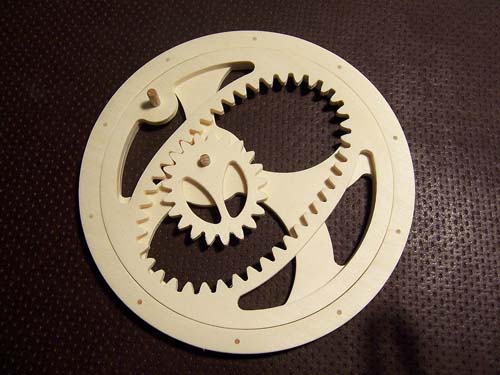
For a long while, I’ve been captivated by articles on the domain of Additive Machining. This technique involves augmenting materials to create a component, rather than the traditional approach of machining that takes away material by transforming it into bits. Not long ago, I came across this exquisite project aimed at constructing an “Ideal Harmonic Transformer”, essentially a mechanical analog computer for trigonometric functions. Avid readers will have noted my longstanding fixation with astronomical analog computers, particularly those built into intricate clocks with orreries that display the celestial bodies’ positions in the nighttime sky. I find several aspects of this project captivating. To begin with, it’s a captivating project, at least concerning my interests. Additionally, it boasts a delightful Victorian charm, demonstrating that machines aren’t only about functionality—they can also represent exquisite artistry and decoration.
Lastly, I think this project shows how powerful additive machining can be. I wouldn’t trade my lathe and mill in for a reprap machine, but I would definitely like to add a 3D extruder to my arsenal of tools. Click through the link above for more on the project. There are lots of intermediate photos as well as photos of the finish device, but alas, I haven’t found any photos showing the plastic extruder making parts.
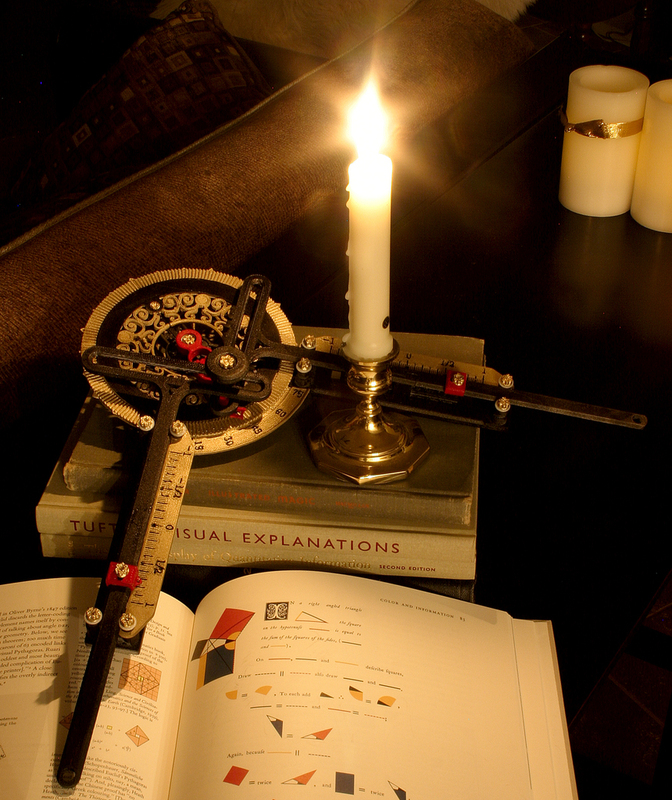
A lovely staged picture of the Ideal Harmonic Transformer after it had been painted…
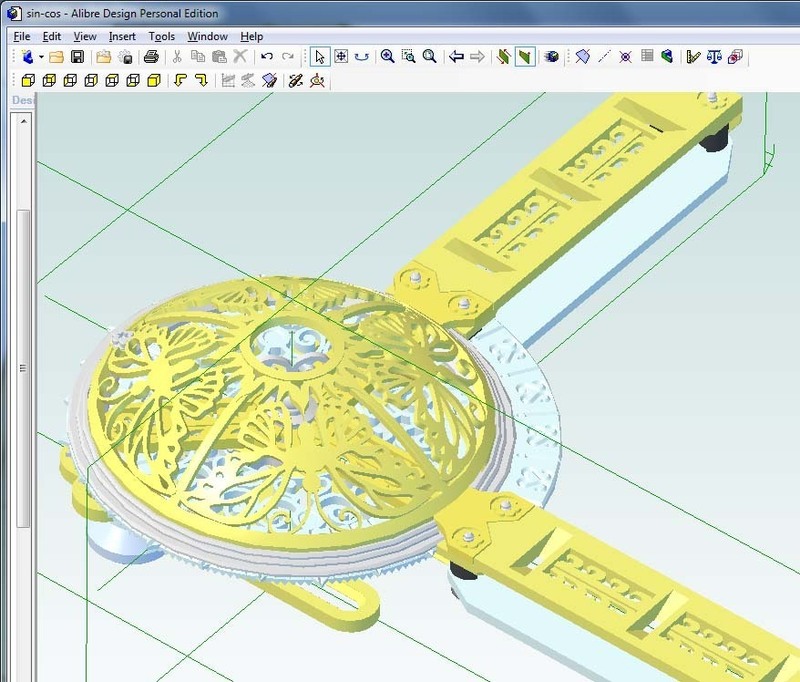
A 3D CAD model showing the extensive ornamentation…
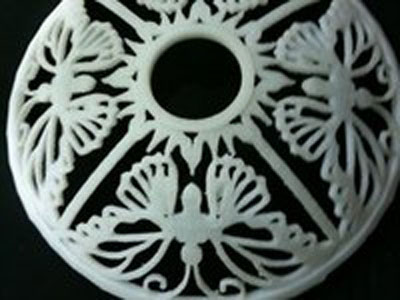
A view of some of the ornamental scrollwork on the backpiece. This part came out very clean…
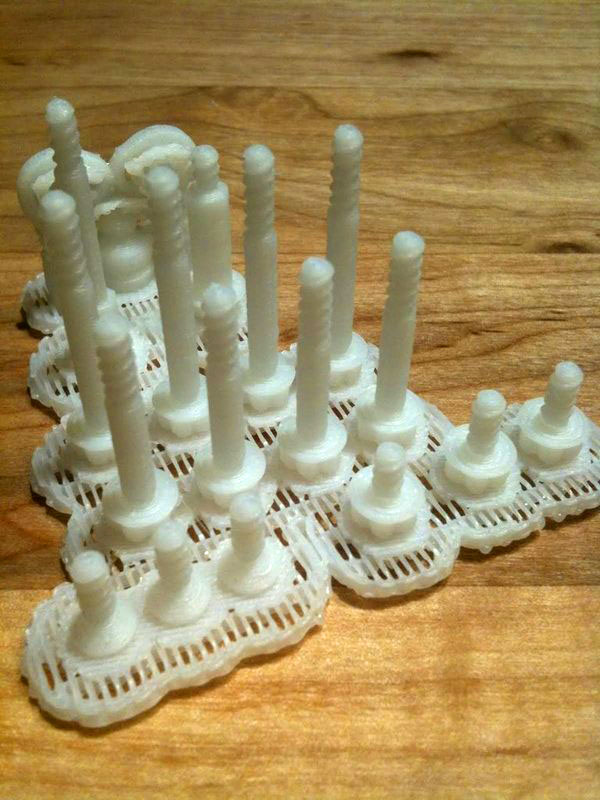
“Fixturing” for the set of screws needed for the Harmonic Transformer.
The extrusion process creates the fixture along with the parts. It’s primary role is to support the parts.
Today, these sorts of extruders are largely hobby toys. I wonder whether a well-equipped prototyping shop might find one handy for various one-off plastic parts? I also wonder whether they can they be used to make gaskets and o-rings or other flexible parts? What uses can you think of for one in your shop?
Join 100,000+ CNC'ers! Get our latest blog posts delivered straight to your email inbox once a week for free. Plus, we’ll give you access to some great CNC reference materials including:
Bob is responsible for the development and implementation of the popular G-Wizard CNC Software. Bob is also the founder of CNCCookbook, the largest CNC-related blog on the Internet.






I just ran across this today; Thanks, glad you liked my project! There is a photo and video of my printer here: https://swampcastle.blogspot.com/2013/11/my-printer-in-action.html
Here is the backpiece, before and after cleanup: https://swampcastle.blogspot.com/2011/06/first-print-of-complete-butterfly-dome.html
The blog has multiple entries about the harmonic transformer, if you’re curious.